There are important factors to consider before proceeding with a gas line installation. Safety is a paramount concern in this type of project; ensuring a proper installation is essential to prevent leaks and other potential hazards, which can pose serious risks to health and property. It’s critical to use experienced professionals who understand local regulations and guidelines regarding gas line installations. Routine maintenance and inspections should also be considered after installation to ensure ongoing safety and functionality. Taking these steps will help ensure a reliable and safe gas supply to your property.
Table of Contents
Introduction to Gas Lines for Firepits
Outdoor spaces have become the go-to spot for relaxing, entertaining, and making memories, and firepits are often the centerpiece of these moments. While wood-burning and propane options have long been popular, running a gas line directly to a firepit offers a more modern, streamlined alternative. This setup ensures a consistent flame every time, eliminating the unpredictability of traditional methods. With natural gas, there’s no need to haul firewood or replace propane tanks, making it an efficient choice for those who appreciate both functionality and style.
A gas line also provides homeowners with more opportunities to personalize their firepit’s design. Without the constraints of bulky propane tanks or storage for logs, outdoor areas can be tailored to suit any aesthetic—be it contemporary, rustic, or somewhere in between. For those who prioritize convenience and a touch of elegance, a firepit fueled by a direct gas line is a game changer.
Safety First
Handling a gas line installation for a firepit requires careful attention and professional expertise to ensure safety. This process involves precise measurements, proper sealing techniques, and compliance with building codes, making it far from a casual weekend project. Even a small mistake, like a loose connection or an overlooked leak, can lead to serious risks. Professionals not only have the experience to handle these challenges but also the tools to test the system thoroughly before it’s put to use.
Beyond technical skills, licensed installers are well-versed in local regulations, which dictate how and where a gas line can be installed. These rules are in place for a reason, protecting both homeowners and their neighbors from potential hazards. Attempting to bypass these requirements or guessing through the process could lead to costly repairs, fines, or worse.
Additionally, professionals consider the layout and structure of the property to determine the safest route for the gas line. Factors like underground utilities, landscaping features, and proximity to the firepit are carefully evaluated. This attention to detail ensures that the installation doesn’t compromise the home’s existing infrastructure or pose long-term safety concerns.
Proper venting is another critical aspect often overlooked by amateurs. Gas-powered firepits produce combustion byproducts that need to be safely dispersed. Skipping this step or doing it incorrectly can result in dangerous indoor gas accumulation if the firepit is part of a covered or enclosed space.
By relying on skilled professionals, homeowners gain peace of mind knowing their firepit is not only functional but also safe to enjoy year-round.
Cost Efficiency
When evaluating the financial side of running a gas line to a firepit, the upfront installation costs can seem intimidating at first glance. However, a closer look reveals that natural gas is often the more budget-friendly choice over time. Unlike propane or firewood, which require ongoing purchases and replacements, natural gas flows directly from the utility line, providing a continuous and predictable supply. This eliminates the hassle of stocking up on firewood or making last-minute propane runs, which can quickly add up.
Natural gas also tends to be less expensive per unit than propane, making it a cost-efficient fuel source for those who frequently use their firepit. The convenience of having a reliable energy source on demand reduces not only costs but also the time and effort spent managing fuel supplies. Over the years, this efficiency makes a noticeable difference in the overall expense of maintaining a firepit.
Additionally, natural gas systems typically require less maintenance than their wood-burning counterparts. There’s no ash to clean, no wood to chop, and no soot buildup clogging the system. These savings in maintenance time and associated costs are another financial advantage worth considering.
It’s worth noting that while wood-burning firepits may seem less costly upfront, they often involve higher ongoing expenses due to the need for fuel replenishment and periodic cleaning. In contrast, a gas line installation is a one-time investment that offers a more seamless and economical solution for outdoor heating and ambiance.
Convenience and Ease of Use
A firepit connected to a gas line transforms outdoor gatherings and quiet evenings into effortless experiences. The simple act of igniting a fire becomes a quick and reliable task, free from the need to stack logs, adjust kindling, or fumble with lighter fluid. Instead, the process is streamlined—just a switch or a dial, and the flames are ready to set the mood.
Compared to wood-burning options, which can be temperamental and labor-intensive, gas-powered firepits offer an unparalleled level of convenience. There’s no waiting for the flames to build up or dealing with uneven heat. The steady supply of natural gas ensures consistent performance, removing the unpredictability that often comes with traditional fire-starting methods. It’s ideal for those moments when time is of the essence or when keeping things hassle-free is the priority.
The practicality extends beyond just lighting the fire. There’s no need for cleanup afterward, no ashes to scoop out, and no residual smoke clinging to clothing or drifting into neighbors’ yards. This simplicity allows for more time spent enjoying the firepit rather than maintaining it. Whether it’s a quick solo unwind or an evening of entertaining, the gas line setup enhances the experience with minimal effort required. It’s convenience elevated to a whole new level, making outdoor spaces more inviting and functional than ever before.
Environmental Impact
Natural gas offers a cleaner-burning alternative to traditional firepit fuels like wood and propane. Its combustion produces fewer greenhouse gases and airborne particulates, which contributes to improved air quality. Unlike wood-burning firepits that release smoke, ash, and other byproducts, natural gas minimizes these pollutants, making it a more eco-conscious choice for outdoor heating.
Additionally, natural gas is sourced and delivered through established utility infrastructure, reducing the need for packaging, transportation, and storage that come with firewood or propane tanks. This streamlined supply chain translates to less overall environmental strain. Opting for a natural gas firepit also helps curb deforestation since it eliminates the demand for firewood. While no fuel source is entirely without impact, the efficiency and reduced emissions of natural gas make it a step in the right direction for those aiming to enjoy outdoor spaces responsibly.
Design Flexibility
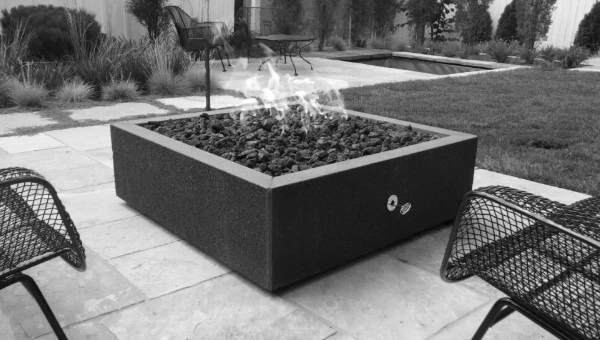
Gas lines offer a level of design freedom that other firepit fuel sources simply can’t match. Without the need to factor in propane tank placement or log storage, outdoor spaces can be crafted with both creativity and functionality in mind. A gas-powered firepit can seamlessly integrate into a wide range of layouts, whether it’s part of a cozy patio corner, a centerpiece for an expansive backyard, or even built into a raised seating area for a more striking visual effect.
This versatility also extends to the firepit itself. Designs can range from minimalistic fire tables with clean lines to more intricate stone or brick setups that add a touch of character. With no restrictions imposed by bulky equipment or fuel storage, homeowners have the opportunity to create a cohesive outdoor aesthetic that complements their existing landscape or architecture. Gas lines also enable the incorporation of features like curved seating arrangements or custom-built enclosures, making the firepit both a functional and decorative asset.
Another advantage lies in the potential for creative material use. Firepits fueled by natural gas don’t require the same heat-resistant barriers needed for wood-burning setups, allowing for more flexibility in the choice of surrounding materials. From polished concrete to weathered steel, the options can cater to any style preference. This adaptability means the firepit can effortlessly blend into its surroundings or serve as a bold focal point, depending on the vision for the space. The result is an outdoor feature that not only performs but also enhances the overall ambiance of the area.
Conclusion
A gas line connected to a firepit is a practical and stylish choice for enhancing outdoor spaces. Its blend of safety, cost efficiency, and environmental advantages makes it a thoughtful investment for homeowners who value convenience and long-term benefits. By removing the need for constant fuel replenishment and the labor-intensive upkeep of traditional firepits, it transforms outdoor living into a seamless experience.
Beyond practicality, a gas line opens up a world of possibilities for firepit designs, allowing homeowners to tailor their outdoor spaces to reflect their personal tastes. Whether it’s a sleek modern fire table or a classic stone centerpiece, the flexibility offered by gas-powered setups ensures both functionality and aesthetic appeal.
At its core, this addition isn’t just about simplifying outdoor heating; it’s about creating an environment where moments can be effortlessly enjoyed. Whether hosting a lively gathering or unwinding in solitude, a firepit fueled by natural gas adds an inviting and reliable touch to any setting. It’s an upgrade that combines comfort, efficiency, and visual appeal, offering lasting value for years to come.
Related Content: Installation Services
FAQs
How much does it cost to run a gas line to a fire pit?
The answer can vary depending on several factors, including the distance from the main gas line to the fire pit, the type of gas line used, and local labor costs. Generally, homeowners can expect to pay between $1,500 and $3,000 for the installation. This cost will typically cover materials, such as the piping and fittings, as well as labor. However, prices may increase significantly if the installation requires trenching or rerouting existing lines.
Additionally, the complexity of the installation can influence the total cost. If you have a longer distance to cover or need to navigate around obstacles, the labor may take longer, which could lead to higher charges. It’s also essential to consider that quality and safety standards must be met when installing gas lines. Homeowners should ensure they hire a licensed plumber or contractor who is familiar with local building codes. This consideration can help avoid future issues and ensure that the gas line is installed safely and correctly, ultimately saving money in the long run.
How to connect a fire pit to natural gas?
To connect a fire pit to natural gas, you need to follow several important steps to ensure safety and effectiveness. First, confirm that your fire pit is designed to be compatible with natural gas. This will typically involve checking the manufacturer’s specifications and guidelines. Next, gather the necessary tools and materials, which often include a natural gas supply line, a shut-off valve, and appropriate fittings.
Before beginning the installation, ensure that the natural gas supply is turned off at the main valve to prevent any accidental leaks during the process. Carefully measure and cut the gas line to the required length, making sure there are no sharp edges that could cause issues. Attach the gas line to your fire pit with the appropriate fittings, ensuring a secure and leak-proof connection. It is essential to use a thread sealant that is safe for gas line applications to avoid any leaks.
Once everything is connected, turn on the natural gas supply and use a soapy water solution to check for leaks around the connections. If you see any bubbles forming, this indicates a leak that must be fixed before proceeding. After confirming that there are no leaks, light your fire pit according to the manufacturer’s instructions, and enjoy the warmth and ambiance it provides. Always prioritize safety by keeping flammable materials away from the fire pit and ensuring it is properly maintained for long-term use.
How to hide gas line to fire pit?
To effectively hide the gas line leading to your fire pit, you can employ a few strategies that will not only conceal the pipe but also enhance the overall appearance of your outdoor space. First, consider using landscaping techniques. Planting shrubs or ornamental grasses around the area can provide a natural barrier that conceals the line while adding beauty to your yard. Ensure that the plants selected are suitable for your climate and don’t have invasive roots that could disrupt the gas line.
Another option is to use decorative edging or stone borders to cover the gas line while simultaneously improving the visual appeal of your fire pit area. These materials can be arranged creatively to form a pathway or a small garden bed, drawing attention away from the gas line.
If the line is above ground, you might opt for a decorative cover or pipe sleeve that matches the design of your outdoor space. These covers come in various materials and styles; choose one that complements your fire pit and surrounding furniture.
Additionally, integrating hardscaping features, such as pavers or bricks, can also serve to disguise the gas line. You can create a small patio or seating area that incorporates the gas line discreetly within the design.
It’s essential to ensure that any concealment method allows for easy access for maintenance and inspection, as safety should always be your top priority. With these tips, you can successfully hide the gas line while creating an inviting atmosphere around your fire pit.
What size natural gas line for fire pit?
This is an important consideration for anyone looking to install a fire pit that utilizes natural gas as a fuel source. The correct size of the gas line is essential to ensure that there is sufficient gas flow to provide a steady and safe flame. Generally, a half-inch diameter gas line is recommended for most standard residential fire pits. However, the required size can vary based on several factors, such as the length of the gas line run and the BTU rating of the fire pit.
If the fire pit has a higher BTU output or if the distance from the gas supply to the fire pit is longer, a larger diameter line may be necessary. In these cases, it’s crucial to consult with a professional to evaluate the specific requirements of your installation, ensuring that safety standards are met and that your fire pit operates efficiently. Proper installation not only enhances the performance of the fire pit but also contributes to safety, preventing any potential leaks or hazards that could arise from improperly sized gas lines.